
13 Clever Scarcity Marketing Examples to Skyrocket Your Conversions
Last updated on
by


TL;DR
Scarcity marketing tells people that a product or offer is limited, so they’re more likely to buy before it’s gone.
Limited quantity: A low-stock alert like “Only 2 left in stock” shows the item could sell out.
Limited time: A countdown timer or flash sale gives the offer a real end date.
Limited access: Invite-only sign-ups and waitlists let people in a few at a time.
Limited edition: A one-off or seasonal item is only available until it sells out or the season ends.
Use scarcity ethically: false scarcity can backfire and damage trust.
Have you ever seen a countdown timer on a sale or an “Only a few left!” message on a product page? Both are scarcity examples that you’ll find in everyday life when you shop online.
Scarcity marketing means showing shoppers that what you sell is limited, whether that’s the stock, the time to buy, or who can access the sale. It works because when something feels rare or exclusive, we tend to want it more.
I’ll show you 13 scarcity marketing examples from real businesses. For each one, you’ll see what they did, why it works, and how you could try it on your own website.
What Is Scarcity Marketing?
Scarcity marketing is when you limit how much you sell, how long it’s on sale, or who can buy it, so that customers decide sooner. It plays on the fear of missing out (FOMO), because a customer who waits could lose out on the offer.
A product page that says “Only 2 pieces in stock” is a simple example.
A 2022 meta-analysis of 131 studies in the Journal of Retailing found that signs an item could run out generally make it more desirable. So, shoppers are more likely to say they’ll buy it.
The same study found that the right kind of scarcity depends on what you sell.
Time limits had the biggest effect on big purchases that people think hard about. Limited supply did best for experiences, and “selling fast” signals did best for practical, everyday products.
The examples I’ll show you use four kinds of scarcity:
- Limited quantity: There’s a set amount of stock. You can show a low-stock alert or run a while-supplies-last offer to let customers know the product could sell out.
- Limited time: The offer ends at a set date and time, like a flash sale with a countdown timer.
- Limited access: Only some people can get in, through an invite, a waitlist, or a subscribers-only early sale.
- Limited edition or seasonal: The product is made once or sold for one season, so it won’t come back.
Scarcity is the limit itself, on quantity, time, or access. Urgency is the pressure that your customer feels to buy before the offer runs out.
Scarcity marketing can be a powerful tool, but it’s important to use it ethically. If done wrong, it can come across as manipulative or inauthentic.
I’ll cover what happens when the limit is fake in When Scarcity Marketing Backfires.
13 Scarcity Marketing Examples
I’ve put the two countdown timer examples first. A countdown is one of the easiest kinds of scarcity to add to your own website.
1. Cracku: Urgency Through Countdown Timers
- What they did: Cracku, an online student coaching portal, used OptinMonster to create countdown timers on their website. They paired the timers with a limited-time offer and increased conversions by 300%.
- Why it works: When your visitors can watch the time run out, waiting has a visible cost, so many of them decide sooner.
- Try it on your website: You could add a countdown timer to an OptinMonster floating bar and tie it to an offer that genuinely ends.
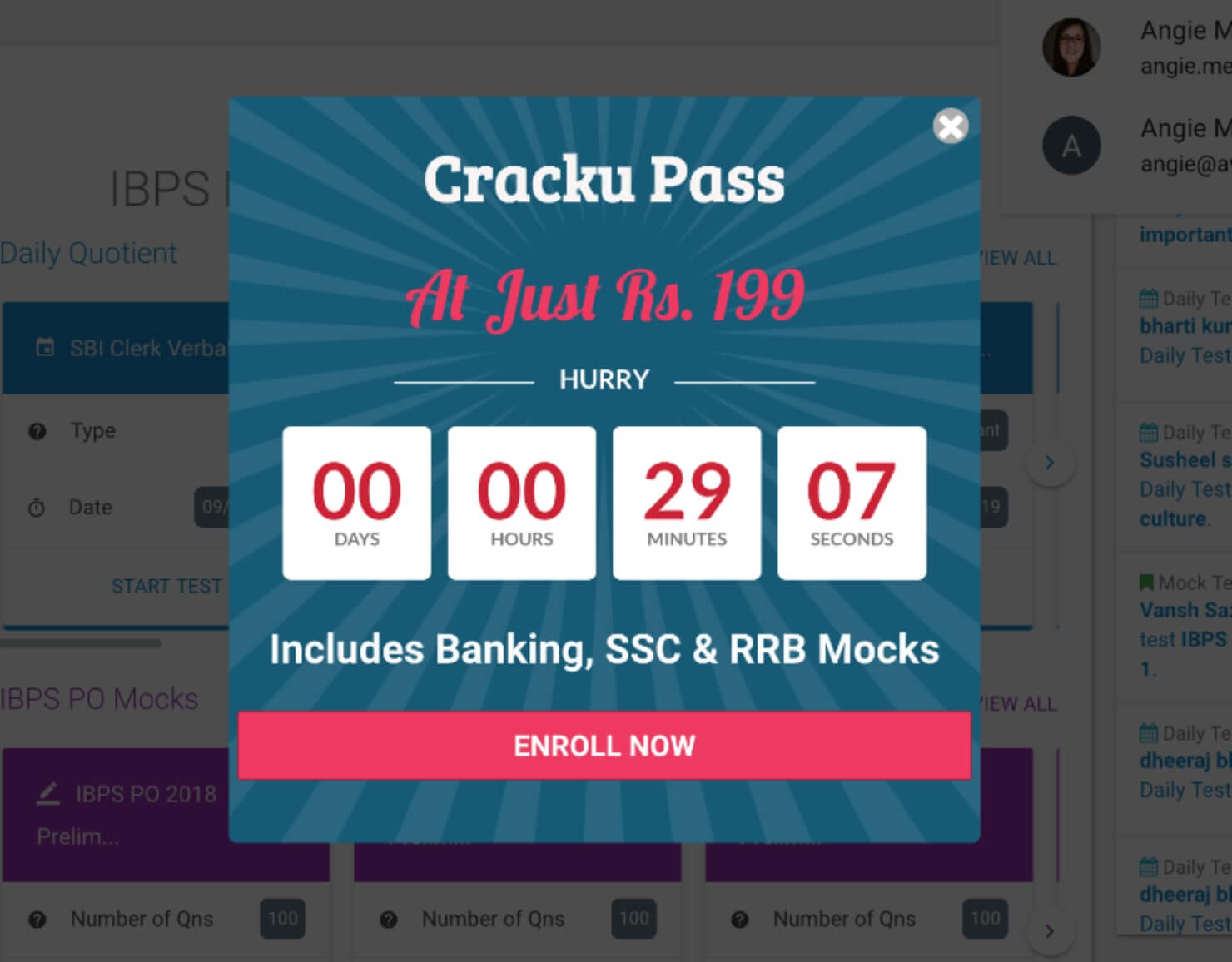
To build one, see our guide on how to create scarcity with countdown timers.
2. OptinMonster: A Real Countdown on Every Sale
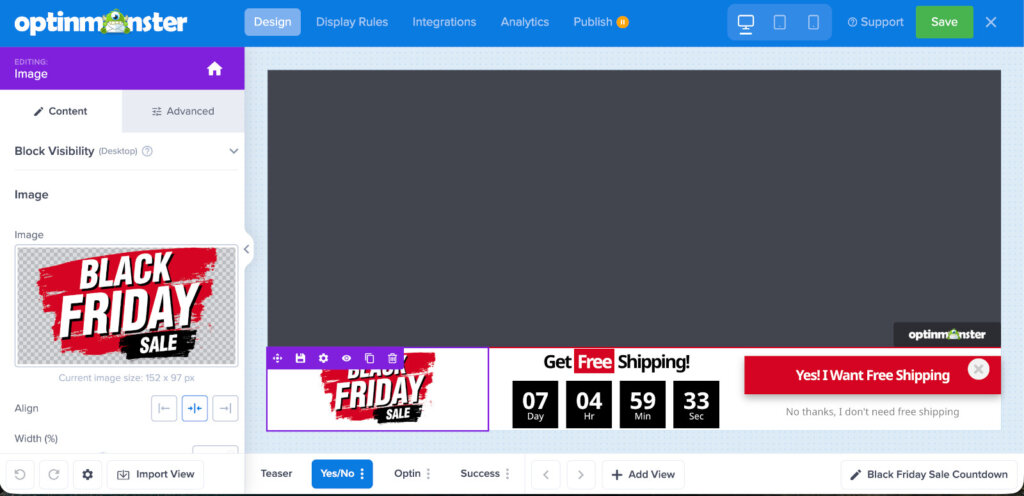
- What we did: We put a countdown timer on every OptinMonster sale, Black Friday included. This is the Black Friday floating bar I built in OptinMonster for our countdown popup tutorial. Its static timer counts every visitor down to the same fixed date, which is the day the sale really ends.
- Why it works: Someone who comes back tomorrow sees less time left on the timer, which tells them the end date is real.
- Try it on your website: I recommend making the deadline a real one. A floating bar is my default for a countdown on a content page, because it sits at the top of the page without covering what your visitor came to read.
For the full walkthrough, see our guide on how to create a countdown popup for your holiday sales.
3. Bud Light: Limited Edition Pack

- What they did: Bud Light worked with the Philadelphia Eagles on a commemorative beer pack to celebrate the team’s Super Bowl win. The beverage company produced 20,418 packs, which is a number that matches the date of the win, 2/04/18.
- Why it works: Many fans don’t mind buying limited quantities of special merchandise at a premium. The packs won’t be made again, so anyone who wants a keepsake of the win has to buy one before they’re gone.
- Try it on your website: If you have a limited edition, then you could say how many you made in an OptinMonster popup on the product page. And you could use the same popup to collect emails from fans who want to hear about the next one.
4. Starbucks: Pumpkin Spice Latte
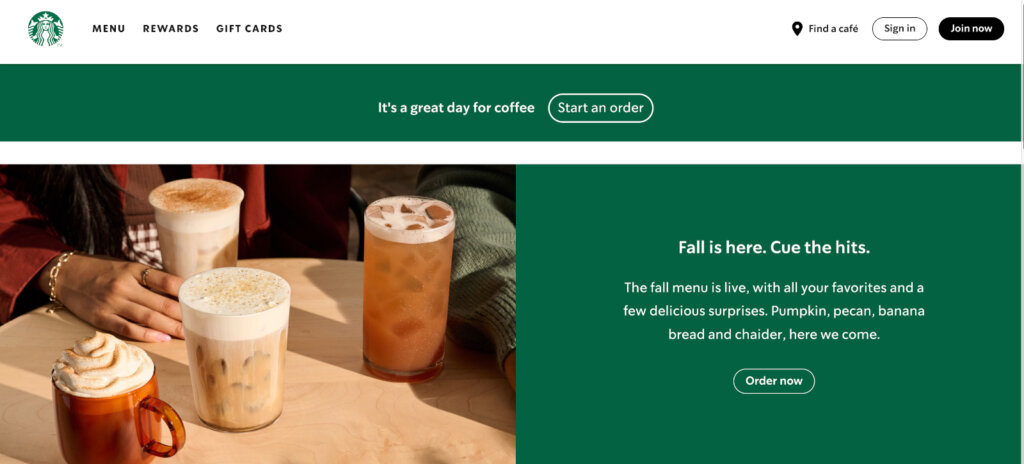
- What they did: Starbucks only sells the Pumpkin Spice Latte on its fall menu. In 2026, they announced the drink’s return on August 3, and the drink came back on August 25.
- Why it works: Fans know the drink won’t be on the menu all year, so they buy it while they can. The early announcement also gives them a date to look forward to.
- Try it on your website: If you sell a seasonal product, then you could announce its return date in an OptinMonster popup and collect emails from people who want a reminder when it’s back.
5. JACK1T: Only 2 Pieces in Stock

- What they did: JACK1T showed a low-stock alert on the product page when they were running low on an item.
- Why it works: If your shopper likes the item, then seeing only two left tells them the next shopper might take the last one.
- Try it on your website: You don’t need OptinMonster for this one. Your store’s product page settings can usually show a low-stock alert, and I suggest showing it only when the count is real.
6. Clubhouse: Invite-Only Sign-Ups

- What they did: Only people who had an invite from an existing Clubhouse member could join the social audio app. The craze has died down since, and Clubhouse later dropped invites so that anyone could join.
- Why it works: People often want what they’re not allowed to have yet. Getting in early felt like a privilege, because you needed a member to invite you.
- Try it on your website: If you’re launching a product or a course, then you could collect waitlist sign-ups with a sign-up form on your launch page. After that, you could let people in as you have room for them.
For more ways to grow that waitlist, see our guide on how to build an email list.
7. Netflix: Only On Netflix

- What they did: Netflix labels their own films and shows “Only on Netflix”, like the Kill Boksoon poster above. Their website also has an Only on Netflix category that people can browse before they sign up.
- Why it works: If a show someone wants to watch is only on Netflix, then subscribing is the only way to see it. The label tells them that before they go looking anywhere else.
- Try it on your website: If people can only get something from you, like a members-only course, then make sure to say so in the popup that asks them to sign up.
8. Tesla Apparel: Notify When Available

- What they did: Tesla’s online shop let visitors sign up for an email notification when an out-of-stock item came back.
- Why it works: People are more likely to opt in for notifications if they think it’s going to fly off the shelves. Buyers who opt in for a notification will also start getting marketing emails from Tesla for other products in the future.
- Try it on your website: A sign-up form on your out-of-stock product pages collects the same sign-ups. Then a visitor who misses out can still ask to hear when the item is back.
For more ideas, see our guide on how to win more sales with out-of-stock pages.
9. MasterClass: BOGO Meets Limited-Time Offer

- What they did: MasterClass ran a buy one, get one (BOGO) holiday offer that gave two memberships for the price of one, with an end date.
- Why it works: A buyer could keep one membership and give the second as a present. The end date meant they had to buy before the holidays were over to get the second one free.
- Try it on your website: Make sure to state the end date when you announce your buy one, get one offer in a popup.
To set up the offer itself, see our guide on how to add buy one get one deals to WordPress.
10. Amazon: Today’s Lightning Deals

- What they did: Amazon’s Lightning Deals page listed deals that were each live for only a few hours.
- Why it works: With only a few hours on a deal, there’s no time to wait for a better price, so shoppers decide on the spot or miss it.
- Try it on your website: You could run a short deal of the day and announce it in a popup for as long as the deal runs.
11. Best Buy: Flash Sale

- What they did: Best Buy ran a 48-hour flash sale just before Christmas, with a bar across the top of their website. The bar gave the dates and times the sale started and ended, and it said the sale had limited quantities and no rainchecks.
- Why it works: The sale had a time limit and a stock limit at once. “No rainchecks” also told shoppers that Best Buy wouldn’t hold the sale price for them if an item sold out.
- Try it on your website: You could put your sale’s end date and time in a floating bar. If the sale has a fixed end, then you could add a countdown timer to the bar, too.
For planning a short sale, see our flash sale guide.
12. iHerb: 13 Sold in 24 Hours

- What they did: iHerb put a bar at the top of the page offering a 20% discount, with the date the offer ended. Further down the page, they showed how many of a product other buyers had bought in the last 24 hours.
- Why it works: Seeing that 13 other people bought the product in a day suggests it might run out of stock. The end date on the discount gives them a second reason to buy now.
- Try it on your website: A social proof notification tool can show real recent purchases on your website. I’d only use one with counts that come from real orders.
To set one up, see our guide on how to use a recent sales popup.
13. Jeffree Star: A Different Take on Scarcity

- What they did: Jeffree Star put an alert banner at the top of the website saying that orders placed after 12/19 would arrive after Christmas.
- Why it works: Anyone buying a gift had to order before the cutoff for it to arrive by Christmas. That gave shoppers a real deadline, and the store didn’t have to offer a discount.
- Try it on your website: Before a holiday, you could show your last order date for on-time delivery in a floating bar.
When Scarcity Marketing Backfires
Scarcity works because the shopper believes the limit is real. Once a visitor spots a countdown timer that restarts or a low-stock alert that never changes, they may stop trusting the rest of your offer too.
In its September 2022 staff report, Bringing Dark Patterns to Light, the US Federal Trade Commission (FTC) describes three pressure tactics as deceptive.
Its list covers countdown timers on offers that aren’t really time-limited and “almost sold out” claims on products with plenty of stock. It also covers false claims that other shoppers are viewing or buying the same product.
In February 2019, the UK’s Competition and Markets Authority (CMA) took enforcement action against six hotel booking websites over concerns that included pressure selling. Booking.com was one of them.
The websites agreed to stop giving a false impression of how available or popular a hotel is.
A limit that’s true can still fall flat. If nobody wanted the product before the countdown started, then a deadline is unlikely to create that demand, and the limit can read as a sales trick.
At OptinMonster, our own rule is that a countdown timer only goes on an offer that really ends. I’d suggest holding your own campaigns to the same standard:
- Countdown timers: Make sure the offer ends when the timer reaches zero. A timer that restarts on an offer that never ends is the fake timer that the FTC describes.
- Dynamic timers: If you use a timer that counts down for each visitor, then the offer has to really expire for that visitor at zero.
- Low-stock alerts: A low-stock alert should only appear when your inventory really is low.
- Purchase and visitor counts: If you show recent purchases or how many shoppers are viewing a product, then those numbers need to come from real orders and real visitors.
- Weak demand: You could save scarcity for the products that people already want.
Scarcity Marketing FAQs
What is an example of scarcity?
A product page that says “Only a few left!” is an example of scarcity, as long as there really are only a few left. A limited edition that’s made once and never restocked is another.
What are some examples of scarcity in daily life?
Concert tickets that sell out and a seasonal drink that’s only on the menu for a few months are both examples of scarcity in daily life. In each case, there’s less to go around than people want.
What is the difference between scarcity and urgency?
Scarcity is about supply, meaning there’s only so much of something, or only some people can get it. Urgency is about time, meaning the reason to act now rather than later.
So, a limited-time offer counts as both.
Is artificial scarcity unethical?
Artificial scarcity becomes unethical when the limit is false. Making a product in one small batch, or running a sale for a single weekend, is a real limit even though you chose it. A countdown timer that restarts on an offer that never ends, or an “almost sold out” alert on a product with plenty of stock, is a fake one. The US Federal Trade Commission’s 2022 staff report on dark patterns describes both as deceptive.
Time Is Running Out: Use These Scarcity Marketing Examples Now
Whichever scarcity tactic you try, make sure to compare your add-to-cart rate and sales during the offer with an ordinary week, so you know whether the limit changed anything.
If you want to add an honest deadline to your next sale, then you can build one with OptinMonster. You can use it to easily add a countdown timer to a popup or a floating bar on your own website.
For more ways to grow sales from the customers that you already have, see these guides:
Disclosure: Our content is reader-supported. This means if you click on some of our links, then we may earn a commission. We only recommend products that we believe will add value to our readers.
Add a Comment